
Mykonos Traditions: Culture, Customs, and Local Heritage
Mykonos is known around the world for its stunning beaches, vibrant nightlife, and unmistakable Cycladic scenery, but the island’s cultural identity runs much deeper. Mykonos traditions, customs, and local heritage reflect centuries of island life shaped by seafaring history, Orthodox faith, Mediterranean influences, and close-knit community values. Exploring these cultural layers offers visitors a richer perspective on what makes Mykonos truly unique.
The traditions of Mykonos are woven into everyday life, from the rhythm of local festivals to the warm hospitality extended to guests. These practices reveal an island that honors its history while embracing the present, creating a living cultural tapestry that visitors can experience through food, celebration, and community rituals.
Local Festivals and Religious Celebrations
Festivals and religious feast days play a central role in Mykonian culture. Throughout the year, the island hosts a series of celebrations dedicated to patron saints, religious holidays, and seasonal markers. These events bring together residents and visitors in processions, music, dance, and shared meals.
One of the most anticipated celebrations is the feast of the Dormition of the Virgin Mary on August 15, when locals honor the holiday with church services, traditional food feasts, and community gatherings. Such festivals are rooted in Orthodox Christian tradition and showcase the island’s spiritual continuity and communal spirit.
Traditional Music and Dance
Music and dance are integral components of Mykonos’ cultural heritage. Traditional Greek music, often accompanied by instruments such as the bouzouki and violin, can be heard at local festivals, family gatherings, and tavernas. These rhythms reflect the emotional depth of Greek folk traditions, ranging from celebratory dances to soulful melodies.
Dance performances, often seen during festivals or cultural events, convey stories of community, resilience, and identity. Visitors can experience this musical heritage in intimate local venues or during annual celebrations that bring residents together in expression and joy.
Culinary Customs
Food is a central expression of Mykonian tradition. The island’s cuisine blends fresh Mediterranean ingredients with recipes passed down through generations. Local specialties often feature seafood, garden-fresh vegetables, olive oil, herbs, and regional cheeses, reflecting the bounty of both land and sea.
Meals in Mykonos are social occasions often enjoyed slowly and in good company. Whether it is a morning coffee accompanied by a pastry, a midday meal of grilled fish and salad, or a shared dinner of traditional dishes, food serves as a conduit for connection and storytelling. Tavernas and family-run eateries are excellent places to taste these authentic flavors and observe culinary customs in practice.
Island Crafts and Artistic Traditions
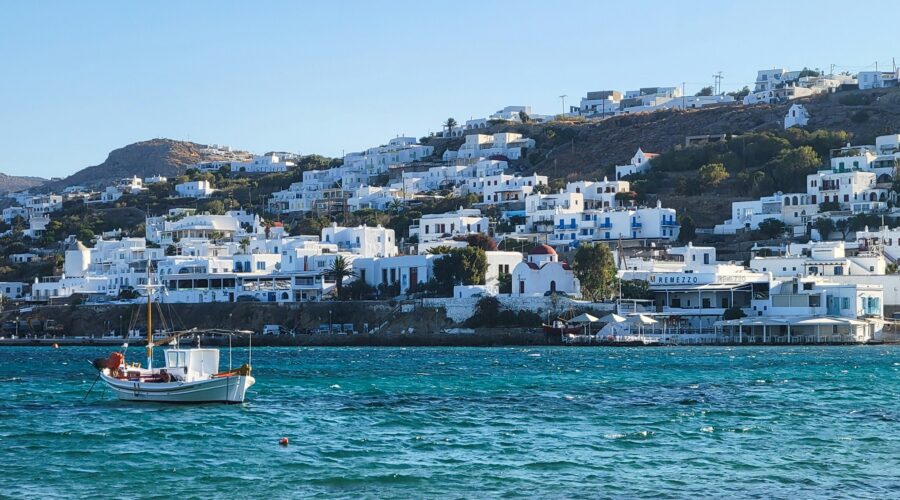
Mykonos has a rich artistic heritage that extends beyond music and food. Local craftsmanship includes pottery, weaving, and traditional building techniques that reflect the island’s aesthetic sensibilities. The whitewashed architecture of Mykonos Town, with its blue accents, narrow lanes, and Cycladic forms, embodies a design language rooted in practical adaptation to climate and terrain, as well as cultural expression.
Artisans often carry forward techniques learned from previous generations, adapting them while maintaining respect for tradition. Markets and small shops that showcase local crafts provide visitors with an opportunity to bring home objects that tell a story about the island’s heritage.
Customs of Hospitality and Community
Hospitality is a defining characteristic of Mykonian culture. Visitors may notice the warm greetings, friendly conversations, and genuine interest in sharing stories with guests. This custom of welcoming others reflects a deeply ingrained belief in hospitality as a form of generosity and connection.
In addition to individual interactions, community life on Mykonos revolves around shared experiences — from village gatherings to communal participation in festivals, markets, and church events. These practices reinforce a sense of belonging that often leaves a lasting impression on those who visit.
Preserving Heritage in a Modern World
While tourism has brought international recognition and modern growth to Mykonos, the island continues to honor its heritage through cultural preservation efforts, ongoing traditions, and community engagement. Whether through music, food, festivals, or everyday social practices, Mykonos remains connected to the customs that have shaped its identity across generations.
Experiencing Mykonos through the lens of its traditions and culture provides visitors with a deeper understanding of the island’s soul. Beyond its scenic landscapes and lively attractions, Mykonos is a place where heritage lives in the rhythms of daily life and the shared stories of its people.