
Mykonos Island Travel Guide: Beaches, Nature, and the Island’s Daily Rhythm
Mykonos island travel guide content often focuses on beaches as individual destinations, yet the true experience of the island comes from understanding how nature shapes daily life. The coastline, light, wind, and sea interact continuously, creating a rhythm that defines movement, atmosphere, and mood throughout the day. When travelers align with this rhythm, the island reveals a more balanced and immersive character.
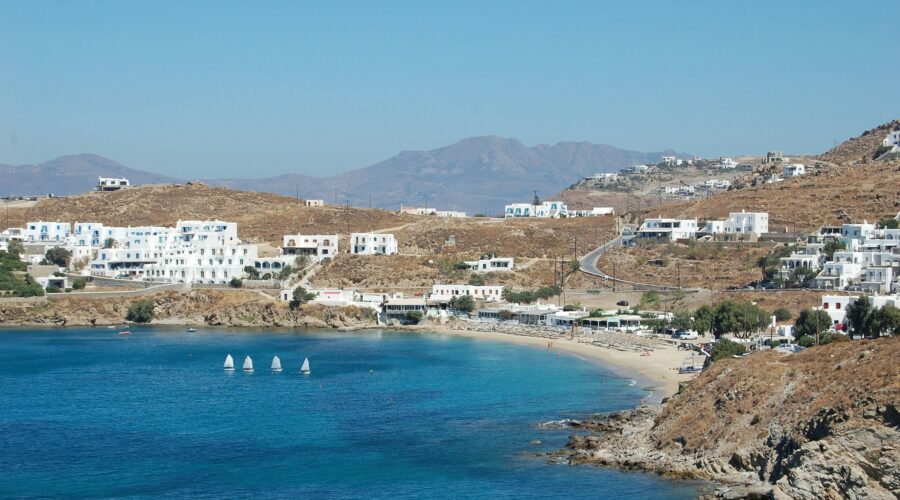
The beaches of the island vary widely in form and energy. Some are expansive and open, shaped by strong winds and wide horizons, while others are protected by natural formations and feel calmer and more intimate. Orientation plays an important role, affecting light, temperature, and sea conditions. These natural differences explain why each stretch of coast feels unique, even when separated by only a short distance.
Early morning is often the most revealing time to experience the shoreline. The sea is calmer, the air feels lighter, and the landscape appears untouched. During these hours, beaches become places of observation rather than activity. Walking along the water or sitting quietly allows visitors to connect with the environment before the day gains momentum. These moments often leave the strongest impressions because they engage the senses without distraction.
As the day progresses, energy increases gradually. Some beaches transform into social spaces filled with sound and movement, while others maintain a steady calm. This contrast is central to the island’s appeal. Visitors can choose how they want to experience the coast, moving between livelier settings and quieter corners depending on mood and timing. A well-balanced Mykonos island travel guide encourages awareness of this variety rather than focusing on a single style of experience.
Natural elements influence how life unfolds along the coast. Light reflects intensely off pale surfaces, shaping both architecture and daily habits. Wind dictates when and where people gather, while shade becomes essential during warmer hours. Locals have adapted to these conditions over generations, structuring routines around comfort and balance rather than constant exposure. Observing these patterns offers insight into how nature continues to guide lifestyle choices.
Seasonal change also plays a defining role. Outside peak periods, beaches feel more expansive and less structured. Even during busy months, timing becomes the key to rediscovering calm. Early mornings and late afternoons restore a sense of space, allowing familiar locations to feel personal rather than crowded. Understanding when to visit certain areas can be just as important as knowing where to go.
Beyond swimming and leisure, the coastline invites reflection. Watching the horizon shift, listening to the sound of the wind, or observing changes in light throughout the day creates a sense of continuity. These experiences are simple, yet they define the island more deeply than curated activities. They encourage presence rather than movement, which aligns closely with the island’s natural pace.
Travelers who slow down often notice how the island encourages balance. Time feels less segmented, and days unfold naturally rather than according to schedules. This approach allows visitors to experience fewer places more deeply, creating a connection that feels authentic and lasting. A thoughtful Mykonos island travel guide emphasizes this mindset, helping travelers understand that the island rewards patience and awareness.
Ultimately, beaches are not isolated attractions but part of a larger system shaped by nature and daily life. When experienced with respect for timing, environment, and rhythm, the coastline becomes a space of harmony rather than excess. This perspective transforms the island from a collection of locations into a living landscape defined by balance, contrast, and enduring beauty.