
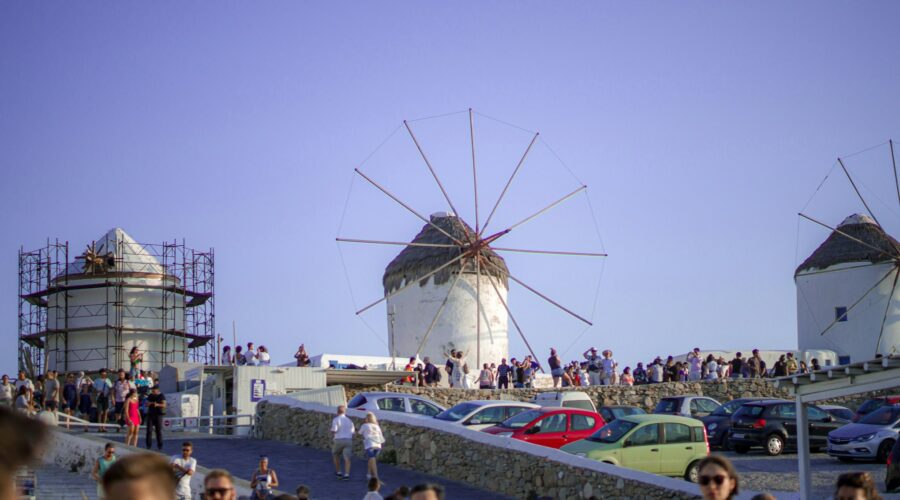
Mykonos Island Travel Guide: Culture, Architecture, and Island Identity
Mykonos island travel guide readers who look beyond surface impressions often discover an island shaped as much by culture and architecture as by sea and light. While global attention has transformed parts of the destination, the island’s identity continues to be defined by everyday rituals, built form, and a deep relationship with its environment. Understanding these elements allows visitors to experience Mykonos as a living place rather than a temporary stage.
Architecture is one of the clearest expressions of this identity. The whitewashed cubic buildings, narrow passages, and irregular layouts are not aesthetic trends but responses to climate and geography. Strong winds, intense sunlight, and limited resources shaped a built environment focused on protection, efficiency, and adaptability. Walking through residential areas reveals how homes, courtyards, and streets work together to create comfort and flow throughout the day.
Movement through space feels intentional rather than planned. Streets curve naturally, creating moments of enclosure and sudden openness. Light and shadow define rhythm, guiding how people navigate the town. These spatial qualities encourage slow exploration and reward attention to detail. Architecture here is experienced gradually, not consumed at once, and this pacing reflects the island’s broader approach to life.
Cultural life extends beyond buildings into habits and shared experiences. Small chapels scattered across the island reflect long-standing spiritual traditions and personal devotion. Local celebrations and seasonal events continue to bring communities together, reinforcing continuity across generations. These moments are rarely staged for visitors, yet they remain visible to those who observe respectfully.
Daily routines offer insight into how culture is lived rather than displayed. Cafés function as informal gathering points, where conversations unfold without urgency. Social interactions feel grounded and familiar, shaped by long-term relationships rather than passing encounters. Observing these rhythms helps visitors understand how community remains central despite constant movement and change.
Inland areas reveal another layer of identity. Stone boundaries, quiet paths, and traces of agricultural activity speak to a time when the island depended heavily on self-sufficiency. These landscapes provide contrast to coastal scenes and offer perspective on how life was organized before tourism became dominant. Even today, these areas maintain a sense of calm and resilience that anchors the island’s character.
Modern influences coexist with tradition in subtle ways. Contemporary design elements appear alongside preserved structures, creating a layered visual language. Rather than replacing the past, newer interventions often adapt to it, maintaining harmony with scale and form. This balance allows the island to evolve while preserving coherence, which explains why it continues to feel authentic despite its popularity.
Time of day plays a significant role in how the island is perceived. Early mornings and evenings soften contrasts and reveal quieter expressions of place. During these hours, architecture feels more intimate, and familiar spaces gain emotional depth. These transitions encourage reflection and offer a more personal connection to the environment.
For travelers, engaging with culture and architecture means slowing down and paying attention. It means choosing observation over consumption and curiosity over expectation. When approached this way, the island reveals layers of meaning that extend beyond visual appeal. A thoughtful Mykonos island travel guide emphasizes this mindset, helping visitors understand that identity is shaped by continuity, not spectacle.
Ultimately, the island’s character lies in its ability to absorb change without losing its essence. Culture, architecture, and daily life remain interconnected, creating a destination that feels grounded and alive. Experiencing Mykonos through these elements transforms a visit into an encounter with place, history, and rhythm that stays long after departure.