
Is Mykonos Still an Island or Just a Brand?
Mykonos is one of Greece’s most recognizable destinations — known worldwide for its bright architecture, vibrant nightlife, luxury beach clubs, and cosmopolitan atmosphere. Its name appears in travel guides, social media posts, and lifestyle stories across the globe. But beneath the glossy images and brand recognition lies a question that many travelers and observers ask: Is Mykonos still an island with authentic character, or has it become more of a global brand shaped by tourism marketing and modern expectations? The answer is both complex and revealing, reflecting the island’s real identity today.
Exploring this question involves looking at both the physical and cultural aspects of Mykonos. The island’s roots go deep into history, its natural environment remains strikingly beautiful, and its local traditions continue to shape everyday life. At the same time, global tourism, international investment, media portrayal, and lifestyle branding have transformed how Mykonos is experienced and perceived around the world.
The Island of Landscape and Climate
First and foremost, Mykonos is a physical place — an island in the Aegean Sea with a distinct landscape shaped by wind, light, and water. Its beaches, hills, harbors, and Cycladic terrain are natural features that predate tourism and branding by centuries. This geography remains fundamental to the island’s identity, influencing everything from architecture to daily life.
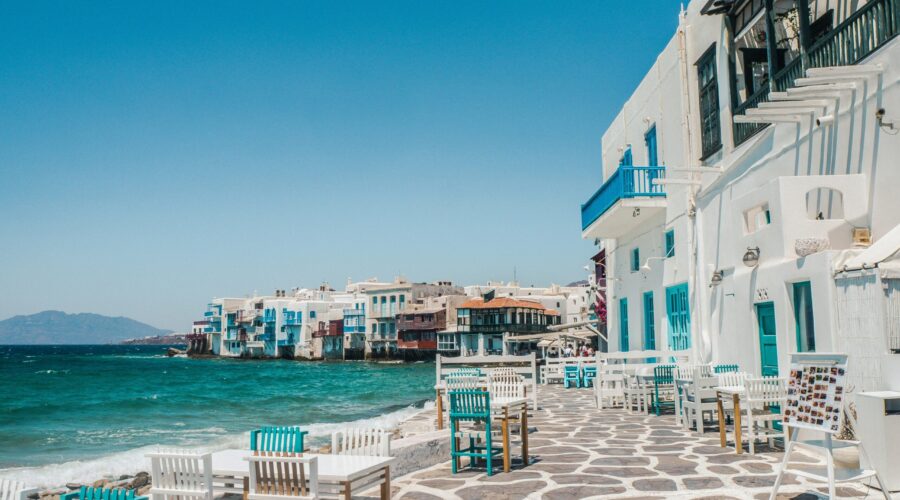
The famous windmills, whitewashed houses, and narrow cobblestone streets are not just scenic motifs — they are architectural responses to climate and tradition. These physical elements reflect the island’s environment and history, and they remain intact despite modern development. In this sense, Mykonos remains very much an island with a lived geographical character rather than a fabricated brand.
Local Culture and Longevity
Mykonos also retains cultural continuity rooted in centuries of island life. Local traditions, family networks, religious celebrations, and community rituals persist alongside tourism. Churches still mark feast days, neighbors gather in local squares, fishermen go to sea in the early morning, and artisans preserve craft skills passed down through generations.
This everyday island culture coexists with modern tourism, and it provides a deeper layer of identity that is more than a marketable image. Visitors who take time to explore beyond popular routes often encounter these cultural currents that are authentic and grounded in place.
The Brand: Tourism and Global Recognition
At the same time, Mykonos functions as a global brand — a name associated with luxury, nightlife, social energy, and cosmopolitan travel. Images of upscale beach clubs, celebrity visits, lively sunset parties, and stylish resorts circulate widely across social media and travel publications. This branding plays a major role in attracting visitors, shaping expectations, and influencing the local economy.
From this perspective, Mykonos is both a destination and a symbol — a place that sells an experience, a lifestyle, and a mood. This branded identity draws visitors specifically interested in vibrant nightlife, fashion-forward beach culture, and iconic “Instagrammable” moments.
Balancing Authenticity and Expectation
The coexistence of island authenticity and global branding creates a dynamic tension. On one hand, tourism and branding have brought economic opportunities, international cultural exchange, and global appreciation. On the other hand, popularity and demand have led to commercialization of certain spaces, rising property and living costs, and lifestyles shaped by global travelers rather than local routines.
The challenge for Mykonos — as it is for many popular destinations — becomes balancing the island’s inherent character with its global image. The two are not mutually exclusive, but they do shape visitor experiences differently.
How Visitors Experience Mykonos Today
How visitors perceive Mykonos often depends on what they seek and how they explore:
-
Travelers focused on beaches, bars, and nightlife may experience Mykonos as a brand destination — defined by social energy, style, and entertainment.
-
Visitors who explore local neighborhoods, traditions, hidden beaches, and everyday routines may connect more with the island’s authentic cultural character.
-
Those who blend both experiences discover a layered destination — one that is both scenic and social, historical and contemporary.
Both perceptions are valid, and together they form a more comprehensive understanding of Mykonos.
The Island Behind the Image
Even amid global branding, Mykonos remains an island that exists beyond imagery and marketing. Its landscapes, weather patterns, local life, historical sites, and coastal rhythms continue year after year. Behind the bright façades and stylish venues are neighborhoods where families live, fishermen work, shops open early in the morning, and traditional practices continue alongside change.
Mykonos is not just a curated experience — it is a real place with real rhythms shaped by nature and human life. Its identity continues to evolve, but the island’s essence remains tied to its environment, traditions, and community.
A Dual Identity With Purpose
Rather than thinking of Mykonos as just a “brand” or solely a traditional island, it is more accurate to see it as both — an island that has embraced global visibility while maintaining parts of its local soul. The interplay between authentic island life and modern tourism branding is part of what makes Mykonos distinctive. For visitors who explore beyond surface impressions, the island reveals depth, resilience, and character that extend far beyond its marketed image.