Churches and Monasteries in Mykonos: Sacred Sites and Spiritual Heritage
Mykonos is widely known for its vibrant beaches and lively nightlife, but the island also holds a deep and enduring spiritual heritage visible through its many churches and monasteries. These sacred sites reflect centuries of religious tradition, architectural evolution, and local devotion. Exploring the spiritual landmarks of Mykonos offers visitors a richer understanding of the island’s culture, history, and community values beyond its modern attractions.
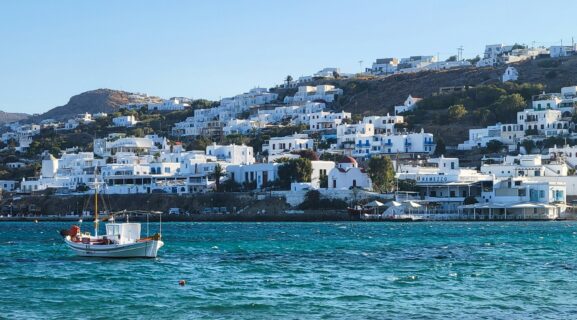
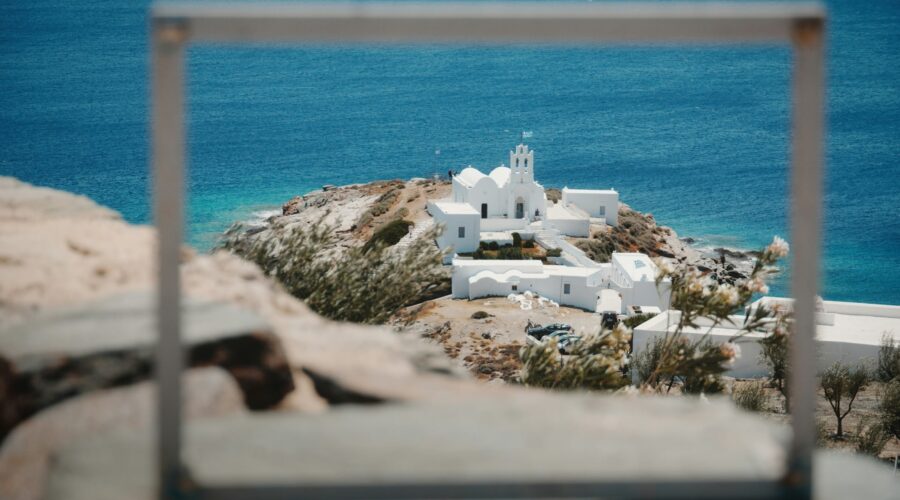
The presence of numerous churches and chapels scattered across the island is part of what makes the Cycladic landscape distinctive. From small whitewashed chapels perched on hillsides to historic monasteries with centuries-old roots, these sacred spaces extend a quiet invitation to reflect, observe, and appreciate the spiritual dimension of Mykonos.
The Role of Churches in Mykonian Life
Religion has long held an important place in daily life on Mykonos. The island’s residents have historically celebrated religious festivals, holidays, and feast days with deep devotion. Many of these celebrations bring the community together through processions, music, traditional foods, and shared worship. These traditions are alive today and continue to offer visitors a glimpse into the island’s roots, where faith and community intersect.
The number of churches and chapels on Mykonos is remarkable given the island’s size. Many of these sites are dedicated to saints who are particularly revered in Greek Orthodoxy. Each church often carries its own story, whether tied to local legends, historical events, or the personal devotion of past generations.
Iconic Churches to Visit
Some of the most significant and frequently visited sacred sites include larger churches that stand as landmarks within the main towns and villages.
One of the most notable is the Church of Panagia Paraportiani, a complex of small structures built over time that together form one of the most famous architectural icons of Mykonos. Its unique profile, stark white appearance, and layered construction make it a must-see for both spiritual pilgrims and history enthusiasts. The church is dedicated to the Virgin Mary and has stood for centuries as a quiet witness to the island’s religious devotion.
Another important site is the Church of Agios Nikolaos, located near fishing ports and historically associated with sailors and seafaring life. Visitors can observe the traditional icons and architectural elements that reflect the island’s connection to the sea and its reliance on maritime trade and travel throughout history.
Monasteries and Their Legacy
Beyond churches, Mykonos also hosts monasteries that played significant roles in the spiritual and social life of the island. Monasteries served not only as places of worship but also as centers of learning, preservation of religious texts, and shelter during times of hardship.
These sites often include living quarters for monks or nuns, chapels, and quiet courtyards intended for reflection and prayer. Today, while some monasteries maintain active religious communities, others stand as historical monuments that offer insight into the practices and daily lives of those who once lived within their walls.
Visiting Sacred Sites with Respect
When visiting churches and monasteries in Mykonos, it is important to approach these places with respect and awareness. Appropriate dress, quiet conduct, and sensitivity to local worship practices help preserve the sanctity of these spaces. Many sites remain in active use for religious services and community gatherings, so visitors should be mindful of ongoing rituals and ceremonies.
Photography is welcomed at many locations, but visitors should always observe signage and guidance from caretakers or community members who maintain these sacred spaces. By being respectful and present, travelers can appreciate both the spiritual significance and the historical context of these sites.
Cultural and Spiritual Festivals
Throughout the year, Mykonos celebrates a number of religious festivals that bring the island’s churches to life. Feast days honoring saints often involve processions, music, and shared meals that reflect centuries-old traditions. These events draw both locals and visitors, offering a unique opportunity to witness living cultural heritage that continues to shape island identity.
Participating in or observing these celebrations allows visitors to move beyond sightseeing into a deeper cultural experience. It highlights the ways in which spiritual heritage remains woven into the fabric of everyday life on Mykonos.
A Spiritual Dimension of Mykonos
The churches and monasteries of Mykonos stand as reminders that the island’s history encompasses far more than its modern reputation for leisure and entertainment. These sacred sites offer spaces of quiet reflection, architectural beauty, and cultural continuity. From iconic landmarks to hidden chapels tucked into quiet corners of the landscape, they provide visitors with an opportunity to connect with the deeper rhythms of Mykonos and to appreciate the spiritual heritage that has shaped the island’s character over centuries.