
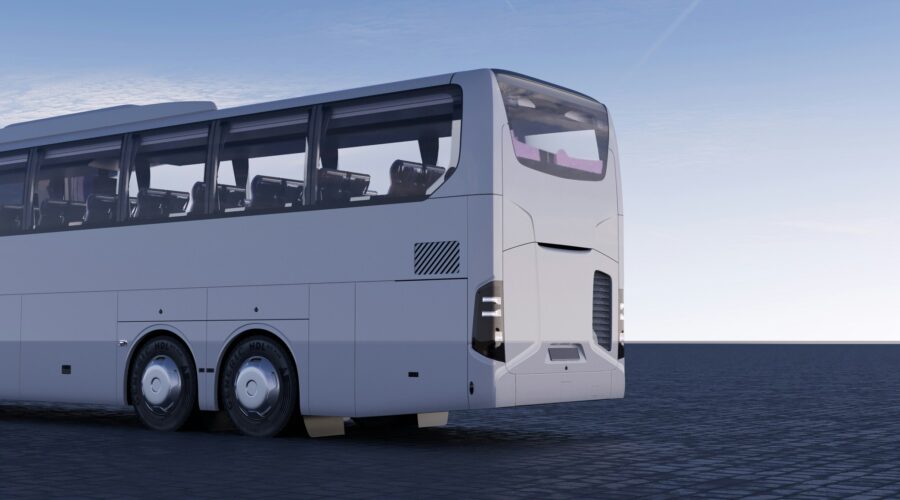
Getting Around Mykonos by Bus: A Practical Travel Guide
Exploring Mykonos can be both exciting and straightforward, especially when you understand how the local bus system works. Buses on Mykonos are an affordable and reliable way to travel between the island’s main destinations, offering a practical option for visitors who prefer not to rent a car or scooter. Whether you want to reach popular beaches, connect to Mykonos Town, or travel to key landmarks, using the bus system helps you move across the island with confidence.
Public transportation on Mykonos is well-used by both residents and visitors. The service tends to operate more frequently during the summer season when demand is higher, and routes are structured to cover major beaches, towns, and transfer points. Knowing the bus routes, schedules, ticket options, and practical tips allows you to make the most of this cost-efficient travel solution.
Bus Routes and Destinations
The main bus hub on Mykonos is located near the old port and Mykonos Town, where many of the primary routes begin. From this central point, buses travel to widely-visited beaches such as Ornos, Platis Gialos, Paradise, and Super Paradise, as well as to more serene locations like Agios Stefanos or Elia. Each route is numbered and displayed on timetables found at bus stops, helping passengers identify the correct bus for their destination.
During the summer months, additional routes or increased frequency is often offered to accommodate the higher number of travelers. These routes are designed to connect the most popular spots on the island, making it possible to enjoy multiple beach destinations and local communities without the need for private transportation.
Bus Schedules and Frequency
One of the most important aspects of using the bus system is understanding the schedule. Buses typically begin operations in the morning and run throughout the day, with peak services aligned with beach access times and popular travel periods. During the busiest weeks of summer, buses may depart every 20 to 30 minutes, while off-peak times can have longer gaps between departures.
Schedules are usually posted at bus stops and can also be obtained from local information centers or online. Travelers should check the timings in advance, as routes and services can change depending on the season, weather, and local events.
How to Use the Bus System
Using the bus system on Mykonos is straightforward. At a designated bus stop, wait for the bus that matches your intended route number. When boarding, you may purchase a ticket directly from the driver or from designated ticket booths near major stops. It is helpful to have small change or cash available, as not all buses accept card payments.
Once onboard, passengers should signal the driver when they want to disembark. Stops are typically frequent, especially on longer routes, and the driver can advise if you are unsure where to get off. Listening for stop announcements or watching for familiar landmarks can also help ensure you exit at the correct location.
Practical Tips for Bus Travel
Navigating Mykonos by bus can be a comfortable experience with a few practical considerations in mind. During peak summer months, especially in July and August, buses can be crowded, so boarding earlier in the day can help secure a seat. For popular beach routes, arriving at the bus stop ahead of departure time ensures a smoother journey.
Keep in mind that baggage space on buses may be limited, particularly if you have large beach bags or equipment. Traveling light makes boarding and seating easier. It is also useful to carry water, sunscreen, and a hat, especially on sunny days when waiting at bus stops under direct sunlight.
Combining Bus Travel with Other Options
While the bus system covers many key destinations, some remote beaches or less-served locations may require alternative transport. In these cases, travelers may use bus travel for the main part of their journey and combine it with taxis, ride-sharing services, or organized tours for the remainder. Many visitors choose to use buses for popular beaches and then use local transfers for more specific routing.
Bus travel is also a practical way to reach transfer points for boat tours, archaeological sites, and other organized excursions, making it a flexible choice as part of a broader travel plan.
Benefits of Getting Around by Bus
Choosing to travel around Mykonos by bus offers several advantages. It is an affordable option that helps reduce the stress of parking and navigation on unfamiliar roads. Buses also allow visitors to relax and enjoy the scenery as they move between destinations, providing a different perspective on the island’s landscape.
Using public transportation can also be an opportunity to connect with everyday local life, as buses are frequently used by residents as well as visitors. This shared experience can lend a sense of immersion in island culture and enhance your overall travel adventure.