
Getting Around Mykonos by Kaiki & Sea Bus: A Complete Guide
Exploring Mykonos by sea can be a unique and scenic way to experience the island’s coastal charm. In addition to ferries and local buses, kaikis and sea bus services offer travelers a different perspective on reaching beaches, nearby islands, and scenic coastal spots. Whether you are interested in leisurely coastal excursions, quick seaside connections, or a refreshing way to travel between beaches, understanding how kaikis and sea buses operate helps you enjoy these options with confidence.
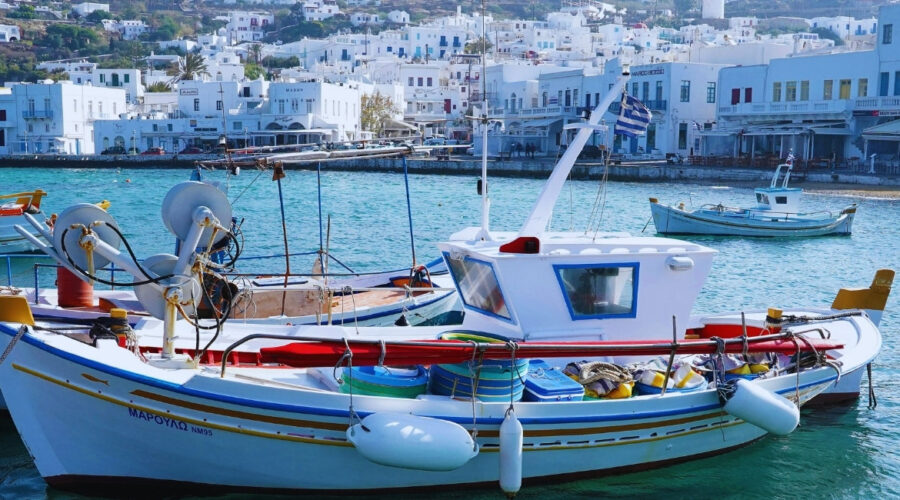
The traditional kaiki is a small wooden boat once widely used by local fishermen. Today, these boats and modern sea bus services serve both practical transportation and leisure purposes, connecting different points around the island and neighboring islets. Sea travel is part of the broader maritime lifestyle of Mykonos and provides visitors with memorable experiences on the water.
Understanding Kaikis and Sea Buses
Kaikis are traditional vessels that reflect the long maritime heritage of Greece. While they are not used as primary public transport in the same way as large ferries, these boats often serve specific routes, small-group transfers, and coastal excursions. Sea bus services, on the other hand, are organized water transport options that operate on regular or seasonal schedules between popular beaches and coastal destinations.
Both kaikis and sea buses offer alternatives to land travel, allowing visitors to enjoy coastal scenery and reduce travel time between beaches, ports, and scenic points along the shoreline.
Popular Sea Routes and Destinations
Sea bus services and coastal transfers frequently operate between major beaches and piers, providing convenient connections for visitors who want to explore multiple seaside locations in a day. Common routes include connections between:
-
Mykonos Town Harbor and nearby beaches
-
Platis Gialos and Psarou Beach
-
Ornos and other adjacent coastal spots
-
Nearby islets and protected bays
These routes are particularly appealing during the summer months when water travel adds a refreshing change to beach hopping.
Kaikis may be chartered for private transfers, sunset cruises, or small-group excursions that visit hidden bays, snorkeling spots, or coastal landscapes that are harder to reach by road. These boat experiences allow for personalized travel and often include commentary from captains familiar with the local waters.
Scheduling and Availability
Sea bus services and kaiki excursions typically operate during the high season, from late spring through early autumn. Schedules may vary from day to day based on demand, weather conditions, and operational planning. It is advisable to check current timetables before planning your route, as seasonal changes or specific events may affect service frequency.
For sea bus routes that resemble public transport, regular schedules may exist that align with peak travel times, such as mid-day beach departures and returns in the early evening. Travelers should plan time for waiting and boarding, and consider arriving early at designated piers or beach docks to secure a spot.
How to Use Sea Bus and Kaiki Services
Using sea bus or kaiki services is generally straightforward. At designated boarding points such as beach piers or harbors, passengers wait for their scheduled departure. Tickets may be purchased at small kiosks, from on-site operators, or directly from the captain in some cases. It is helpful to confirm the destination and fare before boarding.
Sea bus services usually offer clear signage, seating areas, and short travel times between coastal points. Kaiki charters may require prior booking, especially for private excursions or sunset cruises. Many operators offer customizable options based on group size, route preferences, and departure times.
Practical Tips for Sea Travel
To make the most of kaiki and sea bus travel in Mykonos, consider these practical tips:
Arrive at boarding points early, especially during busy summer months.
Bring sun protection, water, and comfortable footwear if boarding from beach piers.
Carry personal items such as identification, itinerary details, and contact information for your accommodation.
Check weather conditions, as rough seas or high winds may affect small boat services or alter schedules.
Being prepared ensures a more comfortable and predictable travel experience on the water.
Scenic Benefits of Sea Travel
Traveling by sea in Mykonos presents a scenic and relaxed alternative to land transport. The views from the water highlight the island’s coastline, whitewashed architecture, and natural bays in a way that land travel does not always capture. Sea travel provides opportunities to observe coastal life, watch local fishing boats, and enjoy the changing light over the Aegean Sea.
Boat transfers between beaches can also shorten travel time and avoid traffic during peak season. Many visitors appreciate the transition from beach to beach by sea, as it allows for a refreshing break and a memorable part of the island experience.
Combining Sea Travel with Other Transport
Sea bus and kaiki travel are most effective when combined with other modes of transport on Mykonos. For example, you may take a sea bus to a popular beach, then use a bus, taxi, or rental vehicle to reach inland sites, restaurants, or cultural attractions. This flexible approach allows you to design a travel plan that aligns with your preferences, comfort level, and itinerary.
Exploring Mykonos by sea contributes to a well-rounded visit, offering variety in movement and engagement with the island’s coastal environment.
Making the Most of Maritime Options
Whether you choose a sea bus route for ease of travel between beaches or a kaiki adventure for a personalized coastal excursion, sea travel on Mykonos adds a distinctive dimension to your visit. From scenic views to practical connections, these maritime options enhance your ability to experience the island’s coastal culture, natural beauty, and leisurely pace.