
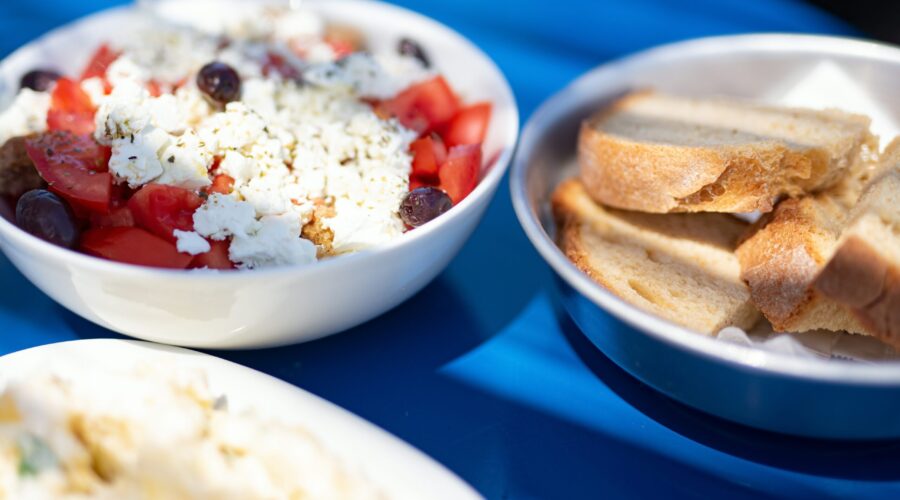
Mykonian Food Was Never Meant to Impress: A Taste of Tradition
Mykonian cuisine is less about culinary showmanship and more about simplicity, seasonality, community, and a deep connection to place. Long before Mykonos became known for luxury travel, beach culture, and cosmopolitan energy, the island’s food traditions were rooted in necessity, local ingredients, and everyday life. This grounded spirit still shapes how food is prepared, shared, and enjoyed on the island today.
The phrase “food was never meant to impress” captures the essence of local island cuisine — honest, heartfelt, and deeply tied to Mykonos’ agricultural and maritime heritage. Instead of elaborate presentations or complex techniques, Mykonian food focuses on quality ingredients, pure flavors, and timeless recipes that celebrate the land and sea.
Rooted in Local Ingredients
Traditional Mykonian cuisine reflects the island’s geography and climate. The arid landscape, strong sun, sea winds, and limited agricultural land encouraged a way of cooking that prioritized what was abundant and naturally flavorful. Staples included:
-
Olive oil — the foundation of most dishes
-
Wild greens and herbs — such as dandelion, rosemary, and thyme
-
Fresh seafood — fish, octopus, squid, and small catches of the day
-
Cheeses — local varieties like kopanisti and fresh white cheeses
-
Grains and legumes — barley, lentils, and chickpeas
These ingredients were — and remain — central to everyday meals, reflecting what the land and sea generously offer without unnecessary embellishment.
Simple Preparations, Big Flavor
What Mykonian food lacks in pomp it makes up for in authenticity. Preparations tend to be straightforward, letting the ingredients speak for themselves:
-
Grilled fish with olive oil and lemon tastes of the sea and sunshine.
-
Fava (split-pea puree) carries earthiness and smooth texture without heavy sauces.
-
Horta (boiled greens) dressed with local olive oil and lemon becomes restorative and bright.
-
Local bread accompanies each meal, soft on the inside with a rustic crust.
The absence of pretension in these dishes creates a dining experience that feels intimate, elemental, and deeply connected to the island’s identity.
Shared Plates and Community
Food in Mykonos has always been communal — a way to gather, celebrate, and connect. Family meals, neighbor visits, and local festivals center around shared dishes that invite conversation, laughter, and togetherness. The simple act of sharing food becomes a social ritual more than a display of culinary artistry.
Whether in a humble taverna off the beaten path or a seaside spot frequented by locals, dishes are enjoyed at a relaxed pace — a reflection of the island’s rhythm and lifestyle.
Seasonal and Maritime Influences
Seasonality is central to Mykonian cuisine. Spring brings fresh greens and herbs; summer delivers tomatoes, cucumbers, and zucchini blossoms; autumn offers late figs and grapes; winter calls for hearty beans and root vegetables. This seasonal awareness reinforces the connection between food and nature’s cycles.
The sea also plays a major role. Fishermen and families have long relied on daily catches — the freshest fish prepared with minimal seasoning to honor its natural taste. In Mykonos, how close a dish tastes to the sea is often a measure of its quality.
The Modern Food Scene and Tradition
Today, Mykonos welcomes chefs and restaurateurs from around the world, blending global influences with local traditions. Yet even within modern culinary spaces, the heart of Mykonian food remains rooted in simplicity. Classic recipes, local ingredients, and shared meals continue to shape how food is enjoyed on the island.
Many contemporary restaurants honor this tradition by emphasizing fresh, seasonal produce and locally caught seafood. They may present dishes with a modern touch, but the core principles — respect for ingredients, flavor over artifice, and shared experience — remain unchanged.
Eating as an Island Experience
To eat in Mykonos is to participate in a way of life — one that honors the sea, land, community, and tradition. Meals are not simply fuel or performance; they are moments to connect with place, with others, and with a culture that values presence over pressure.
Visitors who slow down, taste local specialties, and follow the island’s culinary rhythms often find that the most memorable meals are those that feel genuine and unpretentious. These are dishes that echo the island’s soul more than its reputation — humble, true, and deeply satisfying.
A Philosophy on a Plate
Mykonian cuisine teaches a philosophy: food does not need to impress with complexity to be meaningful. Instead, it becomes meaningful when it reflects the essence of where it comes from — the soil, the sea, the seasons, and the people who prepare it. In this way, eating in Mykonos becomes not just a taste experience, but a cultural one.