Meltemi: The Wind That Shapes Mykonos
The meltemi is one of the most defining natural forces on Mykonos and throughout the Aegean Sea. It is a strong, dry northerly wind that typically blows during the summer months, shaping not only the weather and sea conditions but also the lifestyle, culture, and rhythm of life on the island. For visitors and residents alike, the meltemi is a presence that must be understood, respected, and appreciated as an essential part of the Mykonian experience.
Although many travelers come to Mykonos for sunshine, beaches, and scenic beauty, the wind plays an equally important role in creating the island’s character. The meltemi influences daily activities, outdoor comfort, water conditions, and even architectural design. Learning about the wind and how it affects the island enriches your understanding of Mykonos and enhances your time here.
What Is the Meltemi Wind
The meltemi is a seasonal wind that occurs in the eastern Mediterranean, especially during late spring and summer. It is caused by differences in atmospheric pressure between mainland areas and the open sea. As high pressure develops over northern regions and low pressure forms over the central Mediterranean, cool air rushes southward across the Aegean. This creates consistent winds that can vary in strength throughout the day.
On Mykonos, the meltemi typically begins in late May or June and continues through August and sometimes into early September. Wind intensity is often strongest in the middle of the day and early afternoon, gradually calming toward evening.
How the Meltemi Shapes the Weather
One of the most noticeable effects of the meltemi is on temperature and humidity. The wind brings relief from the heat during summer, making warm days feel more comfortable. Even when the sun is strong, the breeze can cool the air and make outdoor activities more pleasant. For many visitors, the meltemi becomes a welcome part of summer weather, especially when combined with clear skies and abundant sunshine.
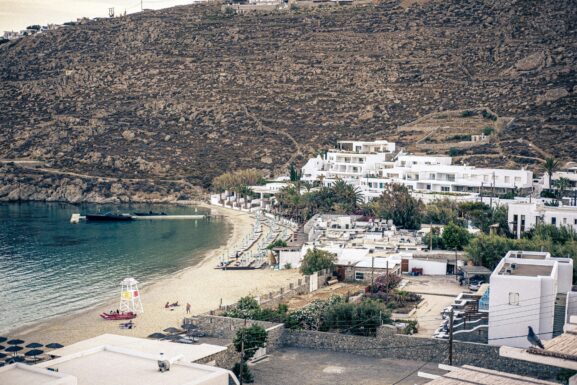
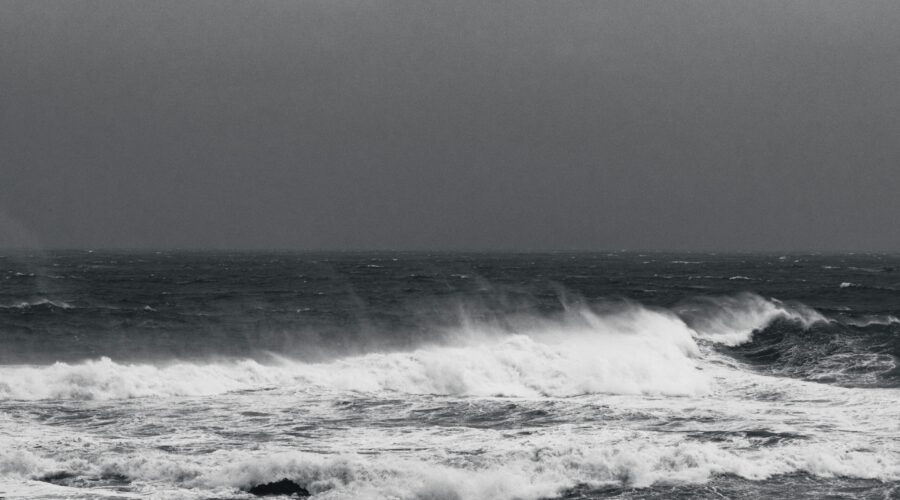
The wind also affects cloud formation and sea conditions. Strong meltemi winds can whip up waves, create whitecaps on the water, and generate dramatic sea movement. On days with stronger winds, some beaches may feel more lively and dynamic, while others, more sheltered from the north, remain calmer. Understanding these patterns helps visitors choose the right beach and time of day for swimming or water activities.
Influence on Sea and Water Activities
For swimmers, water sport enthusiasts, and boaters, the meltemi has practical implications. The wind can make swimming more challenging on northern and eastern beaches, where open exposure creates waves and surface movement. On calmer days or beaches with natural protection, the sea remains inviting and comfortable — even with a gentle breeze.
For windsurfers, kiteboarders, and sailors, the meltemi can be an advantage. Its consistent nature and predictable patterns make it ideal for sailing and wind-related water sports. Many visitors who enjoy active sea experiences plan their days around wind conditions, choosing times and locations where the wind supports their preferred activities.
Impact on Daily Life and Local Culture
The meltemi also influences local life beyond the sea. On windier days, outdoor cafes, seaside tavernas, and walking routes may feel more refreshing, while midday heat becomes more bearable. Residents and long-term visitors learn to adapt their schedules to the rhythm of the wind, often planning outdoor activities in the morning and late afternoon when the breeze is gentler.
Traditional local architecture also reflects an understanding of wind and climate. Narrow streets, whitewashed buildings, and strategically placed windows and openings help direct airflow and create shade. These design choices contribute to comfort and cooling, reducing the need for artificial climate control.
Tips for Visitors: Embracing the Meltemi
Understanding the meltemi can help visitors make the most of their time in Mykonos:
Be flexible with beach choices: northerly winds affect some beaches more than others. Southern beaches are often calmer on windy days.
Plan outdoor activities for early morning or late afternoon when the wind is softer.
Bring layers or light cover for breezy evenings or higher elevations.
If you plan to swim, gauge water conditions before entering the sea, especially on windier days.
For water sports enthusiasts, schedule sessions around predicted wind patterns to enjoy optimal conditions.
These simple strategies help visitors feel more comfortable and confident during their stay.
The Meltemi as Part of Mykonos Identity
More than a weather pattern, the meltemi has become part of the island’s identity. It shapes landscapes, influences daily life, and contributes to the natural rhythm that defines the Mykonos experience. The wind reminds visitors that Mykonos is not just a backdrop for leisure but a place where nature plays an active and visible role.
By recognizing how the meltemi shapes the island, visitors gain a deeper appreciation for the interplay between nature and culture on Mykonos. It reveals a dynamic environment where wind and sea are constant companions, contributing to the island’s beauty, energy, and spirit.