The History of Mykonos Island: From Myth to Modern Tourism
Mykonos is a place where myth and history blend into a vibrant cultural story. Long before the island became known for beaches, nightlife, and luxury travel, it held significance in ancient Greek mythology and regional history. Today, Mykonos continues to evolve, shaped by a legacy of seafaring cultures, local tradition, foreign influences, and the global growth of tourism. Understanding the island’s past from myth to the modern era deepens appreciation for its identity and helps visitors connect with the layers that make Mykonos unique.
At the core of Mykonos’ cultural narrative is its connection to ancient Greek myth. According to legend, the island emerged from the sea after a battle between Hercules and the giants, and its rugged landscape was believed to be shaped by that mythic encounter. This story, rooted in the ancient imagination, remains part of the symbolic fabric of the island and reveals how mythology once explained natural forces and landscapes.
Ancient Roots and Mythology
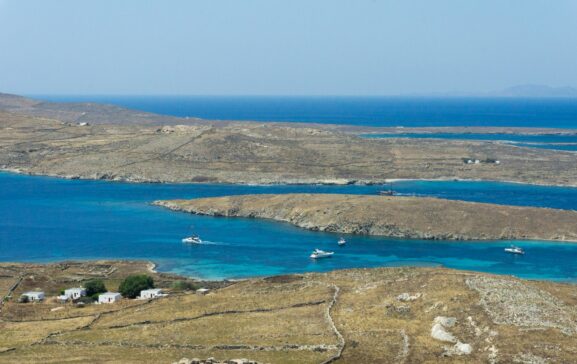
Mykonos’ mythological identity is closely tied to nearby Delos, the sacred island believed to be the birthplace of Apollo and Artemis. While Mykonos itself was not a primary religious center, its proximity to Delos made it part of an ancient spiritual and cultural network. Pilgrims traveling to Delos would find shelter and services on Mykonos, connecting the island to the broader religious landscape of the ancient Aegean.
Beyond myth, archaeological evidence from the wider Cycladic region demonstrates early human settlement and seafaring activity. Pottery fragments, tools, and remnants of coastal dwellings indicate that people lived and thrived in the Cyclades long before classical Greek civilization. These early roots form part of the deep historical context of Mykonos and its neighbors.
Roman and Byzantine Periods
As Greek civilization evolved, the Cyclades, including Mykonos, became part of the Roman Empire. Under Roman rule, the region experienced administrative changes, increased trade, and cultural exchange. Mykonos continued to function within maritime networks, and its ports provided access for commerce and travel.
In the Byzantine era, the spread of Christianity brought new religious and cultural influences. Churches and monasteries emerged as focal points for community life. The Orthodox faith became deeply embedded in local traditions, influencing festivals, customs, and social rituals that continue today.
Medieval Times and Venetian Influence
During the medieval period, control of the Aegean shifted among a series of powers. The Venetians, a maritime republic from northern Italy, exerted influence across many Greek islands, including Mykonos. Venetian governance introduced new systems of defense, architecture, and port administration. Castles, fortifications, and distinctive buildings along coastal towns reflected the strategic importance of islands in the eastern Mediterranean.
Despite these external influences, island communities maintained local traditions and a sense of autonomy. Mykonos’ residents adapted to changing governance while preserving elements of daily life that reflected island values and social structures.
Ottoman Rule and Maritime Tradition
In the centuries that followed, Mykonos came under Ottoman influence, yet the island retained a degree of autonomy compared to other regions. Maritime trade and seafaring remained central to island life. Local fishermen and sailors continued to work the waters of the Aegean, and Mykonos developed a strong nautical identity.
The combination of maritime skill, geographic position, and local resilience helped shape both economic and cultural aspects of the island. Trade, fishing, and shipbuilding supported livelihoods and contributed to Mykonos’ reputation as a seafaring community.
Transition to Modern Tourism
The 20th century brought transformative changes to Mykonos. As travel became more accessible, tourists discovered the island’s natural beauty, sunny climate, and lively social culture. The global travel boom of the 1960s and 1970s introduced new infrastructure, hotels, restaurants, and services that catered to visitors from around the world.
Mykonos gradually emerged as an international destination known for its beaches, nightlife, and cosmopolitan atmosphere. Yet even as tourism expanded, the island retained elements of its historic character — traditional architecture, religious festivals, and local customs continued to shape daily life alongside growing visitor culture.
Cultural Continuity and Local Identity
Despite the rapid rise of tourism, Mykonos remains connected to its cultural roots. Religious festivals, such as saint’s feast days, continue to bring communities together in celebration. Local music, cuisine, and artistic expression reflect the blend of tradition and modern influence that defines the island.
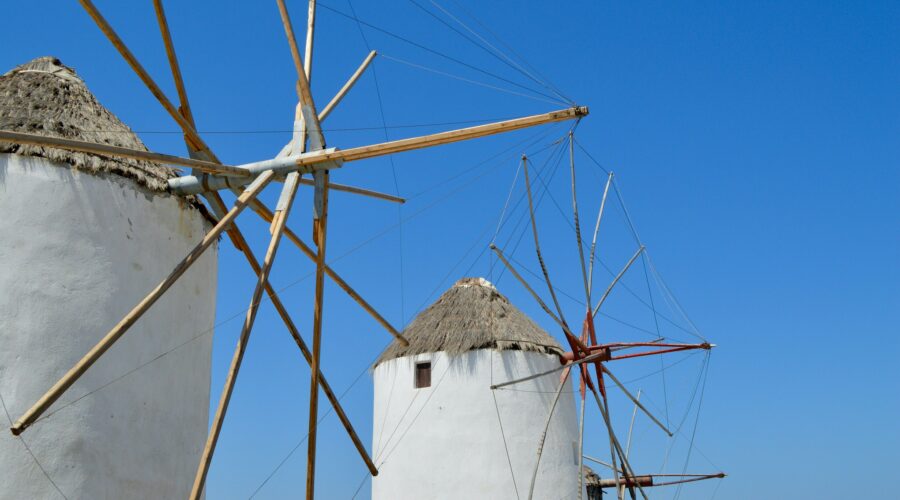
Architectural styles, from whitewashed homes and winding streets to ancient chapels and windmills, serve as visual reminders of the island’s layered history. Each structure tells a story of adaptation, resilience, and continuity that links past and present.
Mykonos Today: A Blend of Past and Present
Today, Mykonos stands as a global travel destination that balances its historic heritage with contemporary appeal. Visitors come for sunny days, turquoise waters, and social energy, but they also find echoes of ancient myth, centuries of maritime life, and lively cultural traditions. The island’s evolution from myth to modern tourism reflects a journey shaped by history, community, and a constantly shifting world.
Understanding this journey enhances the visitor experience, offering context for the island’s vibrant character and the natural beauty that has inspired travelers for generations. Mykonos continues to write its story, embracing both its mythic past and its dynamic present.