Geographical Features of Mykonos: Location, Landscape, and Natural Characteristics
Mykonos is an island shaped by wind, sea and light, forming a landscape that is both dramatic and deeply connected to the natural forces of the Aegean Sea. Its geographical features — from rocky hills and sandy coves to wind-sculpted plains and open coastal stretches — define the character of the island and influence the experiences of all who visit. Understanding Mykonos’ location, landscape and natural characteristics provides insight into how its environment has shaped local life, architecture, and culture.
Located in the heart of the Cyclades, Mykonos sits between the islands of Tinos to the north and Syros to the south. Its central position within the Aegean Sea has long made it a crossroads for maritime navigation and cultural exchange. The island covers an area of just over 85 square kilometers, yet within this relatively small space it presents a remarkable variety of natural features.
Location and Proximity to Other Islands
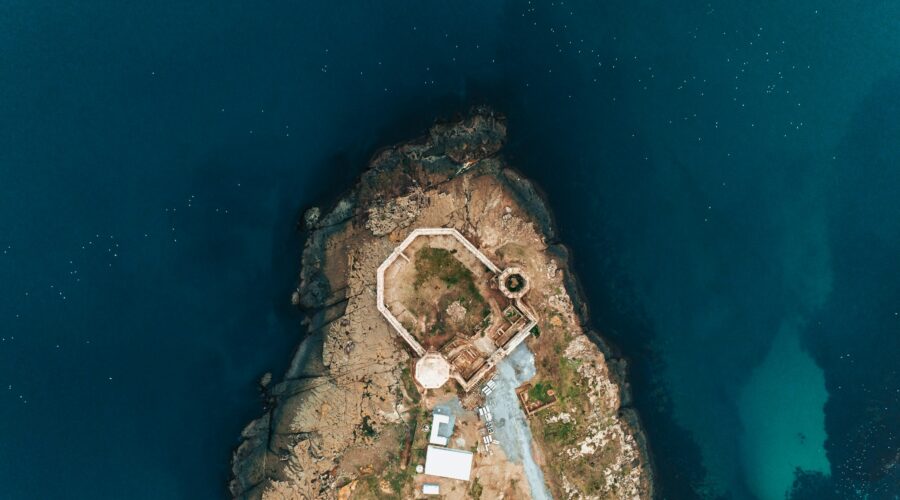
Mykonos lies at the eastern edge of the Cycladic cluster, surrounded by several smaller islets, including the sacred island of Delos just to the west. Delos is a significant archaeological and historical neighbor, and its proximity to Mykonos has influenced the island’s cultural narrative for centuries. The waters around Mykonos are part of a complex maritime network that has linked the Cyclades with mainland Greece, Asia Minor and Crete since antiquity.
The island’s location also affects weather patterns, particularly the strong winds known as the meltemi, which blow across the Aegean in summer. These winds influence sea conditions, beach atmospheres, and even traditional sailing practices.
Landscape and Topography
Mykonos’ landscape is a dynamic blend of hills, plains and rugged coastline. Unlike volcanic islands with dramatic peaks, the terrain here consists of gently rolling hills and rocky outcrops that descend toward the sea. The island lacks significant freshwater sources, and its soil is often thin and permeable, which contributed historically to a pastoral economy focused on goat herding and dry-farming rather than cereal cultivation.
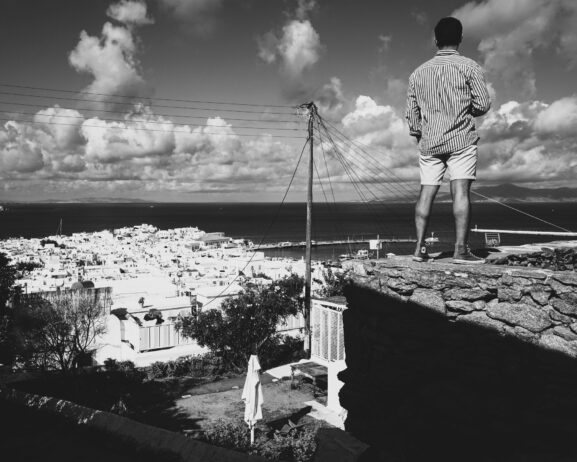
The hills and ridges create natural vantage points that offer panoramic views of the sea and surrounding islands. These elevated areas are often capped with traditional whitewashed chapels and windmills, symbolic features of the Cycladic landscape that serve both cultural and scenic roles.
Coastal Features and Beaches
Mykonos’ coastline stretches for more than 90 kilometers, providing an abundance of beaches and coves — each with its own character shaped by wind, wave and sediment patterns. Southern beaches such as Ornos, Platis Gialos and Psarou benefit from relative shelter, making them popular with swimmers and families. Northern and eastern beaches, including Ftelia and Agios Sostis, are more exposed to the open sea and winds, attracting visitors who appreciate dynamic water conditions and more natural settings.
The variety of coastal features — from wide sandy beaches to pebbled coves and shallow bays — reflects the island’s geological history and the constant movement of the Aegean. These differences influence where boats anchor, how settlements developed and how people use the land today.
Wind Patterns and Climate
One of the most distinctive natural characteristics of Mykonos is its wind. The meltemi winds, which blow predominantly from the north during the summer months, are a defining feature of the local climate. These winds bring relief from the heat of midday, create surface movement in the sea, and shape the vegetation and daily rhythms of life. They also make the island a destination for wind-related water sports, drawing enthusiasts of windsurfing and kiteboarding.
The island experiences a Mediterranean climate with hot, dry summers and mild, wetter winters. Sunshine is abundant, contributing to the island’s bright appearance and influencing both architecture and lifestyle. Traditional Cycladic homes with thick walls and small windows reflect the need for shade and ventilation in response to intense sunlight and heat.
Vegetation and Natural Environment
Mykonos has a sparse but distinct natural environment. The landscape is dotted with hardy shrubs, aromatic herbs such as thyme and oregano, and olive trees that have adapted to the dry, rocky soil. The absence of dense forests reveals the contours of the land and highlights the contrast between earth and sea that characterizes so many views on the island.
The terrain supports wildlife adapted to Mediterranean conditions, including various bird species, reptiles, and small mammals. Conservation efforts seek to balance tourism with protection of indigenous plant and animal life, especially in sensitive coastal and inland areas.
Natural Influences on Culture and Way of Life
The geographical features of Mykonos have shaped the way people live, work, and build. The wind and sun influenced the development of low, whitewashed houses with flat roofs and narrow streets that provide shade. Agricultural practices historically adapted to arid conditions, and today the island’s cultural traditions reflect an appreciation for resilience and resourcefulness.
The interaction between natural elements and human habitation makes Mykonos a place where landscape and lifestyle are deeply interconnected. From the vantage points on hilltops to the sand and surf of its beaches, the island’s natural characteristics continue to define its beauty and appeal.